
I spent years ignoring my feet. I’d moisturize my face, care for my hands, and exercise my body—but my feet? They got whatever was left over. Then a podiatrist friend asked me a question that stopped me cold: “You spend all day on your feet, but when’s the last time you actually took care of them?”
She was right. Our feet carry us everywhere. They absorb shock, balance our bodies, and endure heat, cold, tight shoes, and long hours. Yet most of us treat them as an afterthought.
Healthy feet aren’t complicated. They just need consistent, simple care. Here’s how to give it to them.
Why Foot Health Matters
Your feet are engineering marvels. Each foot contains 26 bones, 33 joints, and over 100 muscles, tendons, and ligaments. They support your entire body weight with every step.
When feet are neglected, small problems become big ones. Dry skin cracks into painful fissures. Untrimmed nails become ingrown. Neglected calluses turn into pressure points that throw off your entire posture.
Foot pain affects everything—how you walk, how you stand, even how you sleep. Healthy feet aren’t just about comfort. They’re about mobility, independence, and quality of life.
Daily Foot Care Habits
1. Wash and Dry Thoroughly
Every day, wash your feet with mild soap and warm water. Don’t just let the shower water run over them—scrub between toes, under nails, and across soles.
Drying is just as important. Moisture between toes encourages fungal infections. Pat dry with a clean towel, paying special attention to the spaces between each toe.
2. Moisturize Daily
Feet have fewer oil glands than any other part of your body. They dry out faster and crack deeper.
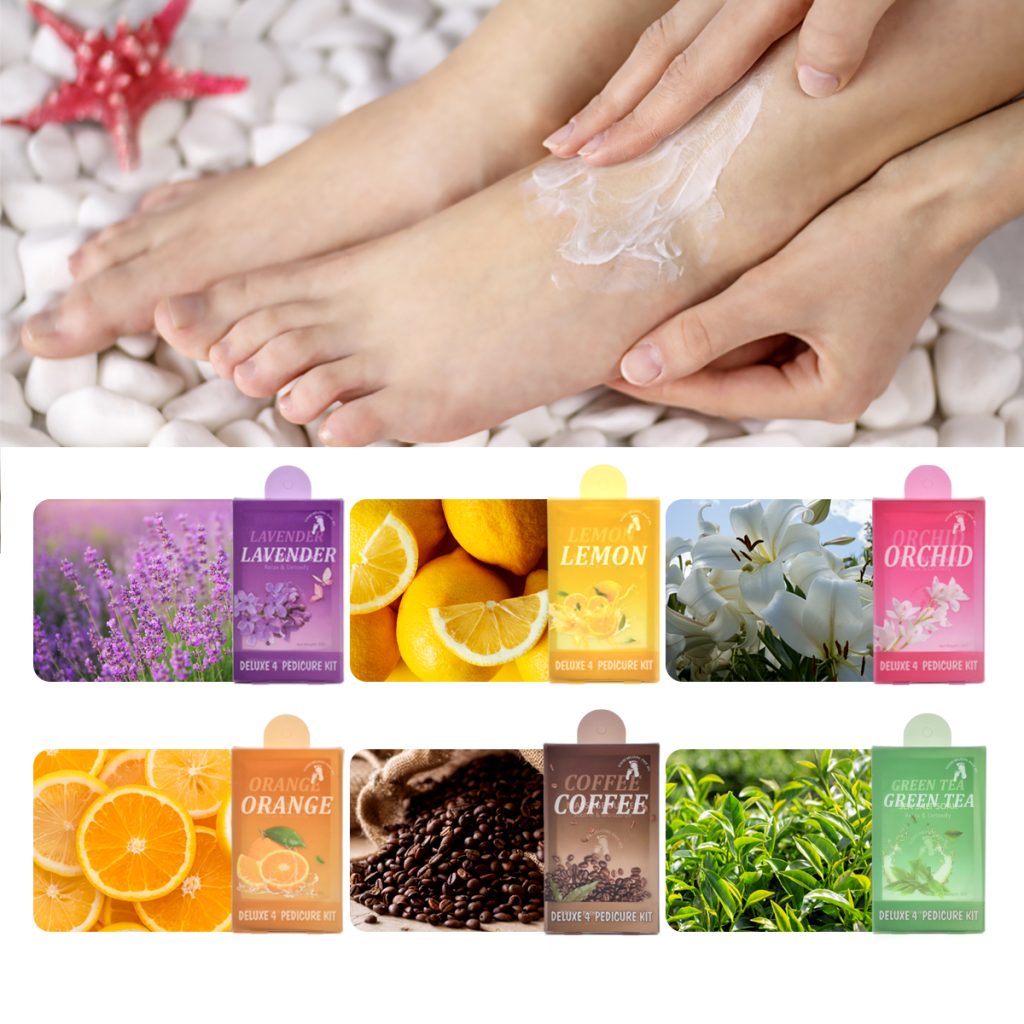
Apply a rich foot cream every day—ideally after showering when skin is still slightly damp. Look for creams containing urea (10-20%), shea butter, or glycerin. These ingredients penetrate tough foot skin better than thin lotions.
One warning: Don’t apply cream between toes. Excess moisture there can lead to fungal growth. Focus on heels, soles, and tops of feet.
3. Wear the Right Shoes
Shoes shape your feet. Poorly fitting shoes cause calluses, corns, bunions, and long-term damage.
Fit matters. Your feet swell during the day. Shop for shoes in the afternoon. There should be a thumb’s width of space between your longest toe and the shoe’s end.
Rotate your shoes. Wearing the same pair every day traps moisture and doesn’t give shoes time to dry out. Alternating pairs extends shoe life and foot health.
Match shoes to activity. Running shoes for running. Work boots for work. Fashion heels for short periods. Your feet need the right tool for the job.
Weekly Foot Maintenance
Exfoliate Once a Week
Dead skin builds up on heels and soles. Without regular exfoliation, it hardens into calluses that can crack.
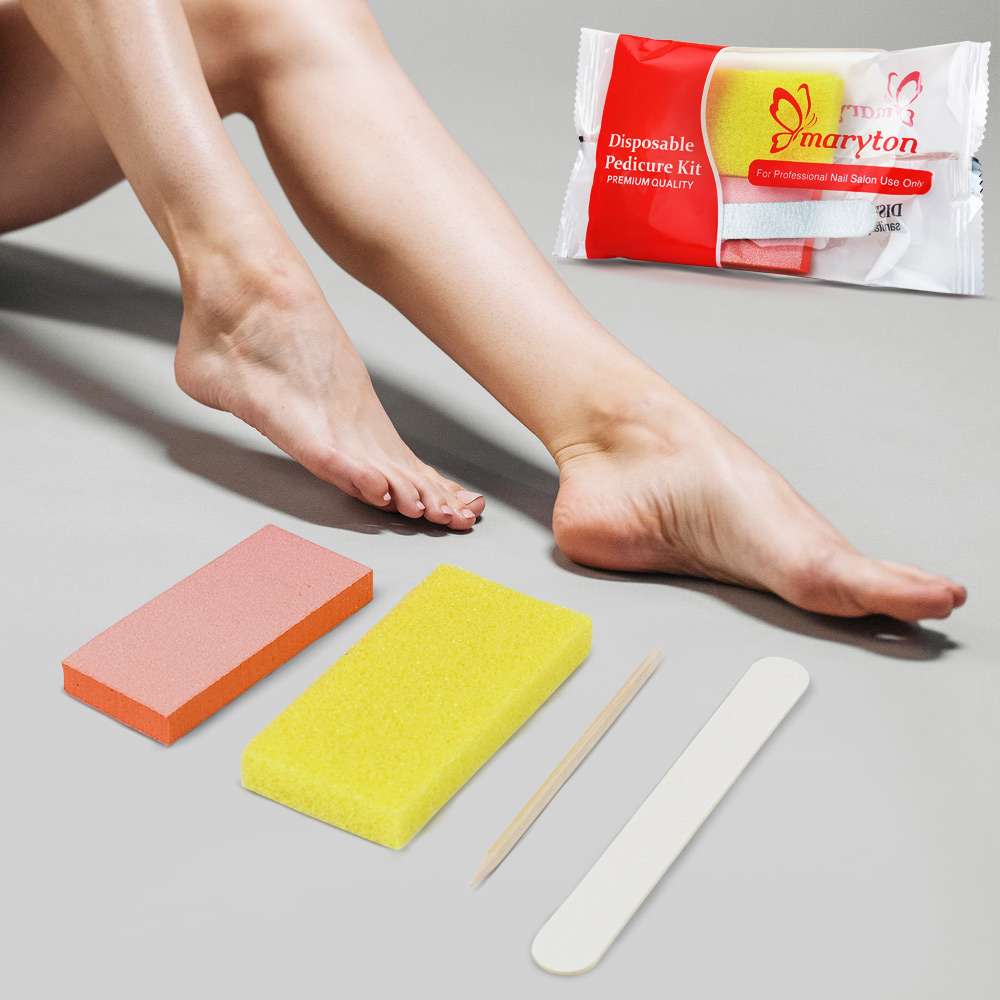
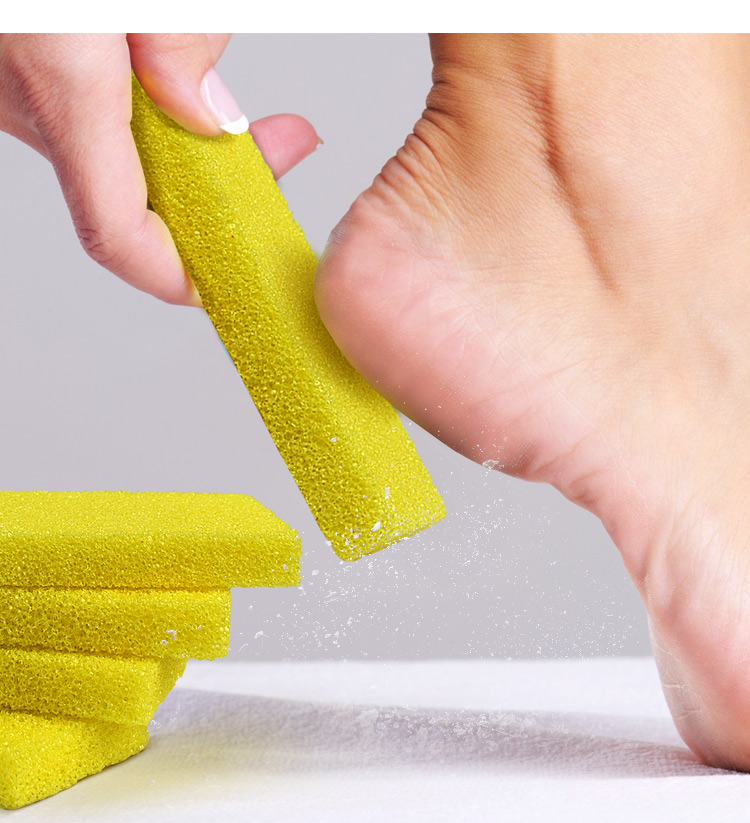
After a warm shower or short soak (10-15 minutes), use a pumice stone or foot file on rough areas. Pink means stop—you’ve reached living tissue.
Gentle pressure only.
Trim Nails Correctly
Toenails should be trimmed straight across. Curving the corners invites ingrown nails. Leave a tiny bit of white; cutting too short increases risk of infection and pain.
File edges smooth with a nail file. File in one direction to prevent splitting.
Inspect Your Feet
Once a week, take a close look at your feet. Check between toes, under nails, across soles. Look for:
- Redness, swelling, or warmth (signs of infection)
- Cracks, blisters, or sores
- Changes in nail color or thickness
- New lumps or bumps
Early detection prevents small issues from becoming big problems. If you have diabetes or circulation issues, this daily inspection becomes even more critical.
Common Foot Problems and How to Prevent Them
Dry, Cracked Heels
Cause: Lack of moisture, pressure from standing, open-back shoes.
Prevention: Moisturize daily. Exfoliate weekly. Wear supportive shoes with closed backs.
Treatment: For deep cracks, use a urea-based cream (20-25%) and wear cotton socks overnight. If cracks bleed or become painful, see a podiatrist.
Calluses
Cause: Repeated pressure or friction—usually from ill-fitting shoes.
Prevention: Wear properly fitted shoes. Use cushioned insoles. Exfoliate regularly.
Treatment: Gentle filing with a pumice stone after soaking. Never cut calluses with scissors or blades—this risks infection.
Athlete’s Foot (Fungal Infection)
Cause: Damp, warm environments. Walking barefoot in public pools or locker rooms.
Prevention: Dry feet thoroughly after washing. Wear shower shoes in public areas. Change socks daily.
Treatment: Over-the-counter antifungal creams usually work. If persistent, see a doctor.
Ingrown Toenails
Cause: Cutting nails too short or rounding corners. Tight shoes. Injury.
Prevention: Cut nails straight across. Wear shoes with adequate toe room.
Treatment: Soak in warm water, gently lift the corner with clean floss. If red, swollen, or painful, see a podiatrist. Do not attempt to dig it out yourself.
When to See a Podiatrist
Some foot issues require professional care:
- Ingrown toenails that are painful or infected
- Thick, discolored, or crumbling nails (possible fungus)
- Open sores or wounds, especially if you have diabetes
- Severe cracked heels that bleed
- Persistent foot pain that doesn’t improve with rest
- Numbness, tingling, or burning sensations
- Changes in foot shape or color
Your feet are too important to ignore. If something feels wrong, get it checked.
Special Considerations
For People with Diabetes
Foot care becomes critical. Diabetes reduces blood flow and sensation in feet. Small cuts can become serious infections without proper care.
- Inspect feet daily—use a mirror to see bottoms
- Never walk barefoot
- Moisturize but avoid between toes
- See a podiatrist regularly
- Never treat calluses or ingrown nails yourself
For Active People
Athletes, runners, and anyone on their feet for work need extra attention:
- Replace athletic shoes every 300-500 miles
- Wear moisture-wicking socks
- Stretch feet and calves regularly
- Ice after intense activity if feet are sore
The Bottom Line
Foot health isn’t complicated. It’s daily washing and drying, daily moisturizing, weekly exfoliation, and proper shoes. It’s paying attention when something feels wrong and getting help when needed.
Your feet carry you through every day—through every mile, every year, every adventure. Giving them this simple, consistent care isn’t pampering. It’s the foundation of mobility, comfort, and independence.
Read also: The Simple Guide to Happy Feet: Why and How to Care for Your Feet